Lightspeed Alternatives for South African Restaurants and Bars (2026)
Let us start where the Lightspeed sales deck is right: it is a polished, capable, international cloud POS with a strong restaurant product. South African venues do not leave Lightspeed because it is bad — they leave because of three structural frictions that no amount of product quality fixes: dollar billing, add-on pricing, and distance from the local payments ecosystem.
The Three Frictions
1. You pay in dollars; you earn in rands
Plans from roughly $69 to $399+/month convert to R1,300 to R7,500+ and move with the exchange rate. Your POS bill should not have currency risk in it. Every rand weakening is a silent price increase on a core operating cost.
2. The add-on staircase
The entry plan is not the plan you will run: advanced reporting, loyalty, accounting sync, and delivery integration arrive as paid add-ons, and the realistic monthly figure lands far above the headline. Our POS cost guide walks through this arithmetic across the market.
3. Local payments and support at arm's length
Zapper and SnapScan — standard at South African tables — are third-party territory rather than built in, and support runs on international time.
What to Verify in Any Alternative
Rand pricing with the full feature set included; native Uber Eats integration (the no-second-tablet standard); Zapper/SnapScan built in; and fit for your venue type — bar-grade tabs and per-pour stock, or barcode retail for bottle stores — where international generalists are weakest.
The Alternatives, Honestly
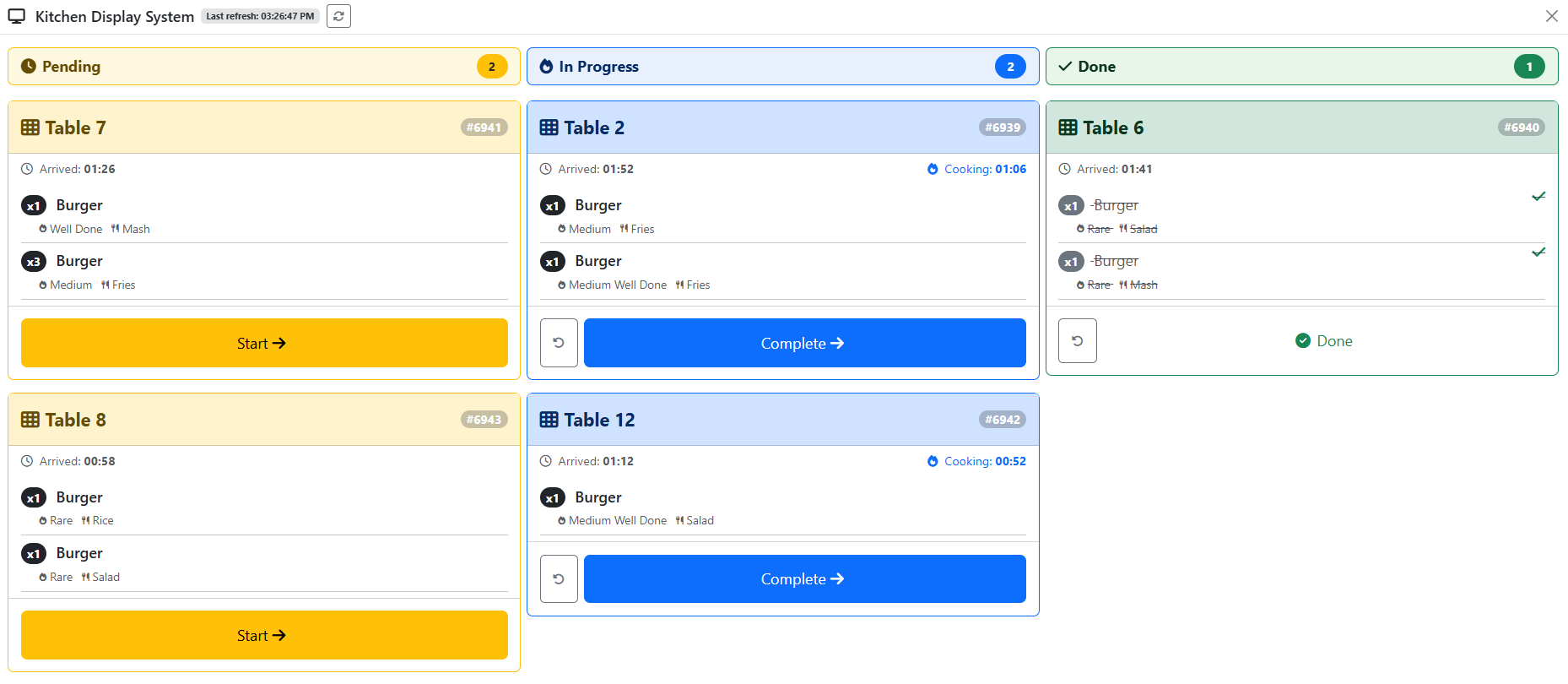
Liquor Logic — R349/month flat in rands, everything included (floor plans, KDS, reservations, Uber Eats, loyalty, accounting sync to Xero/Sage/Pastel/QuickBooks), unlimited users, local support, plus the liquor retail and production platform no international POS offers. Trade-off: Lightspeed's global ecosystem and marketplace of third-party apps is broader. Line-by-line: Liquor Logic vs Lightspeed.
Pilot / GAAP — local and established, but traditional on-premise economics; you would be trading currency risk for contract risk. See Pilot alternatives and GAAP alternatives.
TallOrder / Sally — local cloud, rand-priced, simpler scope; strong for straightforward venues: TallOrder, Sally.
Staying with Lightspeed — rational for international groups standardising across countries, or venues deeply invested in its ecosystem integrations. An independent SA restaurant paying dollar rates for locally-available features is the profile that switches.
Frequently Asked Questions
How much does Lightspeed really cost a South African venue per month?
With a mid-tier plan plus the usual add-ons, R2,500 to R5,000+ at current exchange rates — against R349 flat for the equivalent local feature set. Over a year the difference funds a staff member's month.
Is switching from Lightspeed hard?
No harder than any cloud-to-cloud move: export products, load the menu, run parallel shifts on the free trial, cut over. No contract on the other side means the decision stays reversible.
Will I lose features moving to a local system?
Audit your actually-used features first — most venues use a fraction of what they pay for. Liquor Logic covers the hospitality core in full; what you gain is liquor-specific depth (per-pour stock, bottle store retail, production) that Lightspeed does not attempt.
Conclusion
Good product, wrong invoice. If your Lightspeed bill reads like a currency position with a POS attached, the local alternatives deserve a look. Start with the full comparison, then trial it free for 30 days alongside your current system.