Uber Eats POS Integration in South Africa: Ditch the Second Tablet
Walk into most delivery-active restaurants in South Africa and you will find the tablet hive: one device per delivery platform, chirping through service, with a staff member retyping each order into the POS by hand. Every retype is a chance for a wrong item, a missed modifier, or a forgotten order — and every delivery sale that bypasses the POS leaves stock and sales figures wrong. Direct integration fixes all of it at once.
What the Second Tablet Actually Costs
- Errors: manual re-entry under service pressure produces wrong items and missed instructions — refunded orders and bad platform reviews follow.
- Missed orders: a tablet chirping in a loud kitchen during a rush is not a reliable order channel. Unaccepted orders hurt your platform ranking.
- Invisible sales: orders that never enter the POS never deduct stock and never appear in sales reports. Your best-seller data and your stocktake are both quietly wrong.
- Labour: during peak service, one person babysitting tablets is one person not serving guests.
What Direct Integration Looks Like
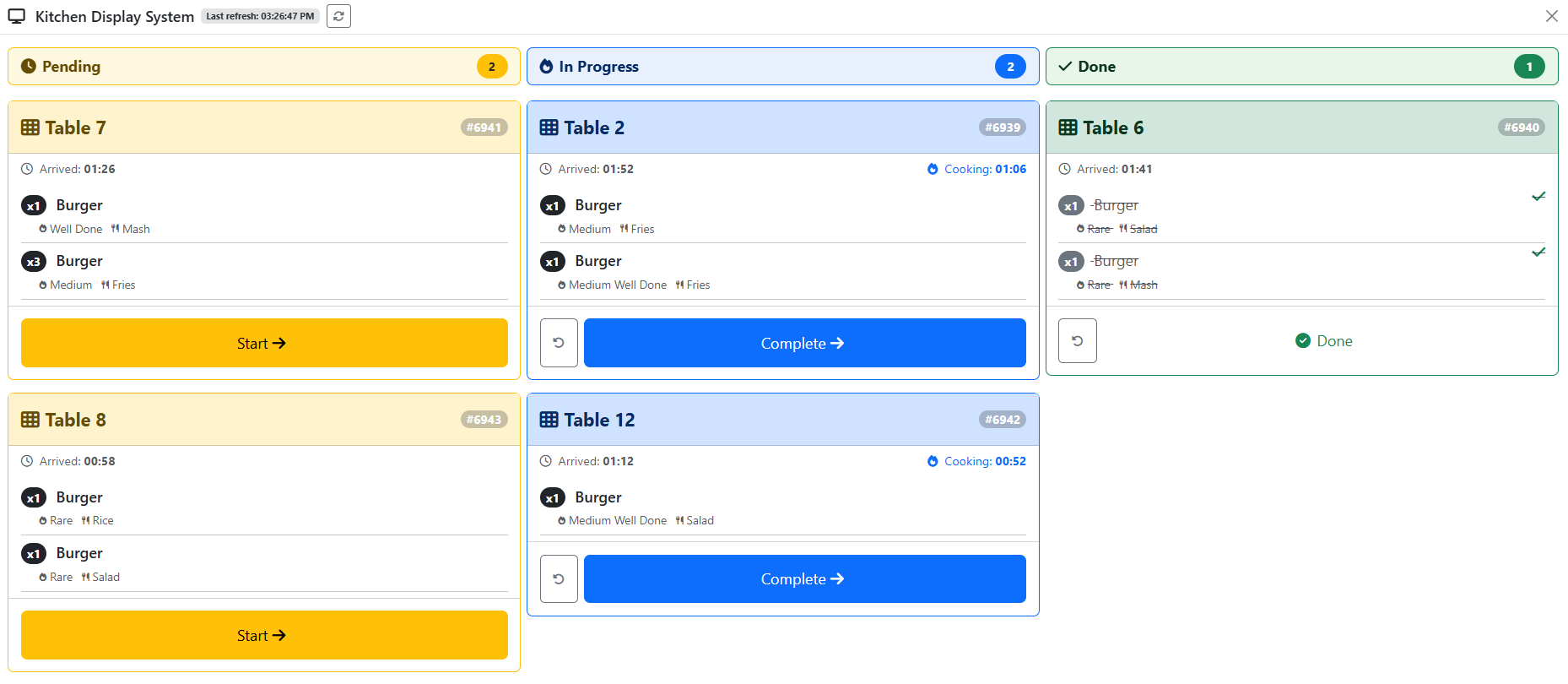
With Liquor Logic's POS, Uber Eats orders land in the same Online Orders view your team uses for everything else. Accept, prepare, and mark ready from one screen; the order routes to the kitchen exactly like a dine-in ticket — through the kitchen display or printers — with modifiers printed as entered. Stock deducts automatically, and delivery sales appear in the same reports as the rest of the till, split by channel.
The Operational Wins
One kitchen queue
Delivery and dine-in orders merge into a single, honestly-sequenced kitchen queue with urgency colour-coding. The kitchen stops treating delivery as an interruption and starts treating it as covers.
Stock that stays true
Every delivery sale deducts ingredients and products like any other sale, keeping live inventory and reorder alerts accurate. If the last portion sells to a delivery customer, the POS knows — and can stop you selling it twice.
Channel-level numbers
Delivery revenue, its product mix, and its growth become visible next to dine-in in the same reporting. That is the data you need when deciding whether platform commissions are worth it per dish — some menu items earn their commission, others should be dine-in only. Without integration you are guessing.
Setting It Up
Integration is configuration, not a project: connect your Uber Eats store to Liquor Logic, map your menu once, and orders start flowing to the POS. Menu changes push from one place, so the platforms stop drifting out of sync with the till. The whole flow is included in the standard R349/month plan — no integration add-on fee, unlike most of the market (see our POS cost guide for how add-on pricing inflates quotes).
Frequently Asked Questions
Does the integration cost extra?
No. Online order integration is included in Liquor Logic's flat plan. Uber Eats' own commission structure is between you and the platform and applies regardless of POS.
What happens if we reject or run out of an item?
Out-of-stock products can be blocked from sale automatically, and order acceptance stays under your control from the POS screen — with none of the missed-chirp risk of a standalone tablet.
Can we still use other delivery platforms?
Yes. Online and takeaway orders flow through the same Online Orders screen; Uber Eats is the headline integration, and the same workflow handles your other online channels.
Conclusion
The second tablet was always a workaround, and workarounds have a way of becoming furniture. If delivery matters to your venue, it belongs in your POS — same screen, same kitchen, same stock. Start a free 30-day trial or book a demo and bring your tablet hive with you; it deserves a dignified retirement.